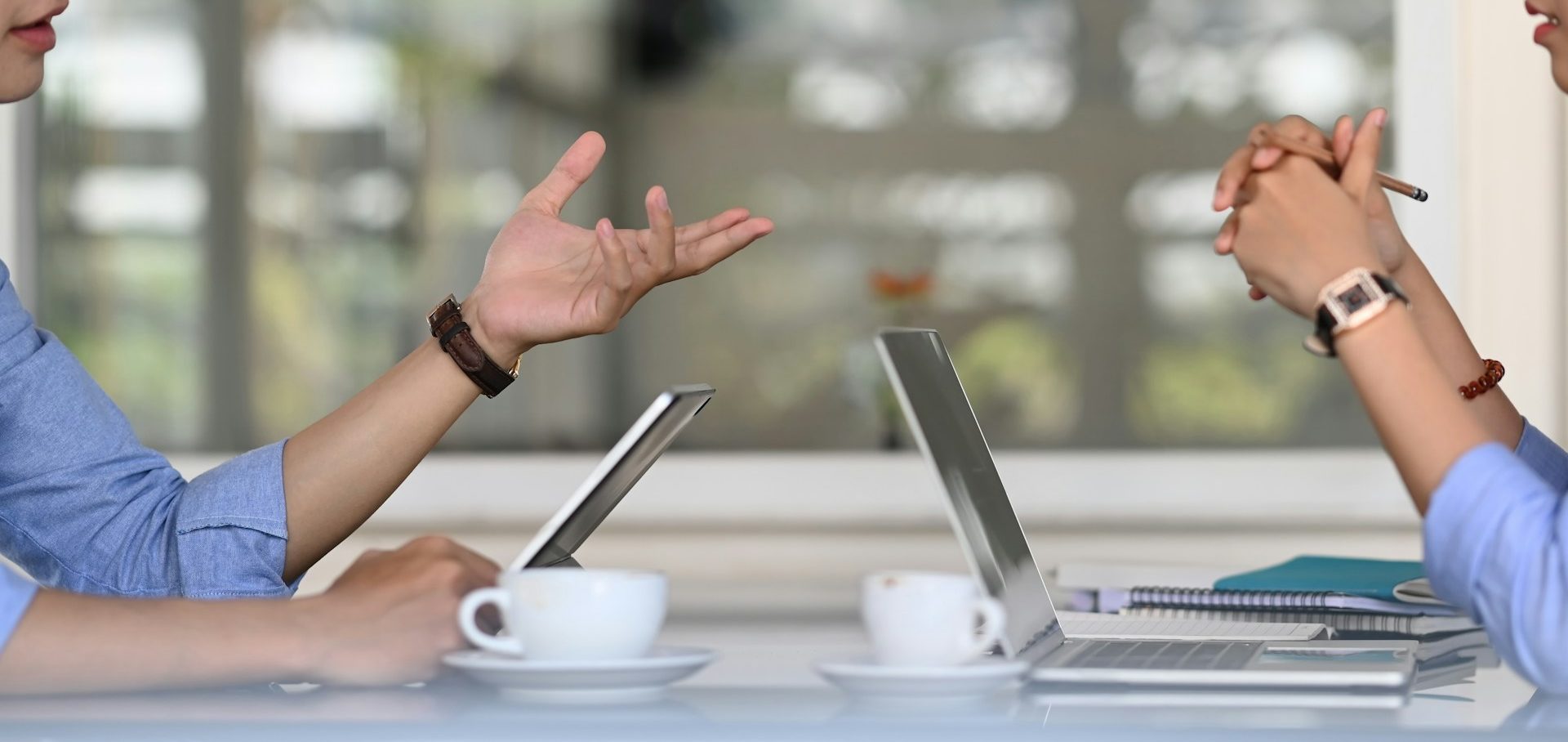
Reasonable adjustments for exhibitions and events: how can mediation support inclusive, feasible and visitor-centred solutions?
When planning an exhibition or event, accessibility can involve difficult decisions. What does an inclusive visitor experience look like? What reasonable adjustments could remove barriers? What happens when an adjustment requested by one group creates practical, financial, conservation or operational challenges? And, importantly, what happens when the organisation and the people affected cannot agree? These…
Mediating Reasonable Adjustments in Higher Education: What Happens When Institutions Struggle After Bristol v Abrahart?
Universities are facing increasing pressure to support disabled students while managing stretched budgets, growing caseloads and limited resources. But financial pressures do not remove their responsibilities under the Equality Act. The University of Bristol v Abrahart judgment and subsequent guidance from the Equality and Human Rights Commission (EHRC) have reinforced an important message: universities must…

When heritage meets accessibility: navigating constraints, priorities and proportionate solutions
Making a building or place more accessible can be challenging. When that place is historic, listed or culturally significant, those challenges can become considerably more complex. A change that appears straightforward from an accessibility perspective may have implications for historic fabric, planning, conservation, cost or the experience of other users. At the same time, the…
From mediation to meaningful engagement: applying facilitative skills to user involvement, co-production and competing access needs
Mediation is usually associated with conflict. Two or more parties disagree. Communication has broken down. Positions have become entrenched. A mediator is brought in to help people find a way forward. But many of the skills that make facilitative mediation effective have value much earlier. Active listening. Asking the right questions. Understanding different perspectives. Identifying…
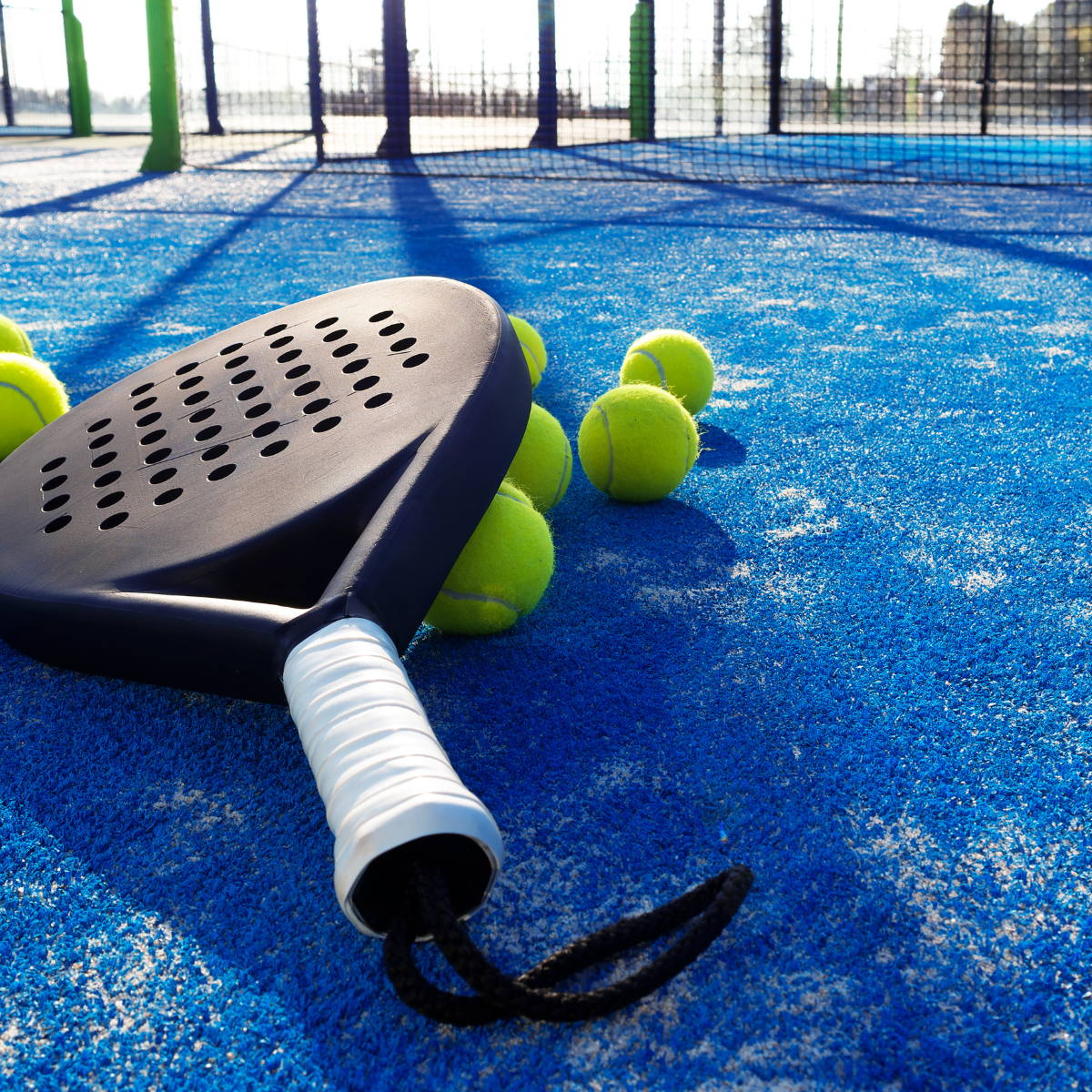
Accessibility disputes need more than compliance: a mediator’s perspective
A disabled padel player is unhappy that the new padel courts do not have a step-free access or an accessible toilet. The manager of the padel court is surprised that any disabled person would want to play padel. We have an accessibility dispute! When an accessibility dispute arises, one of the first questions is often:…
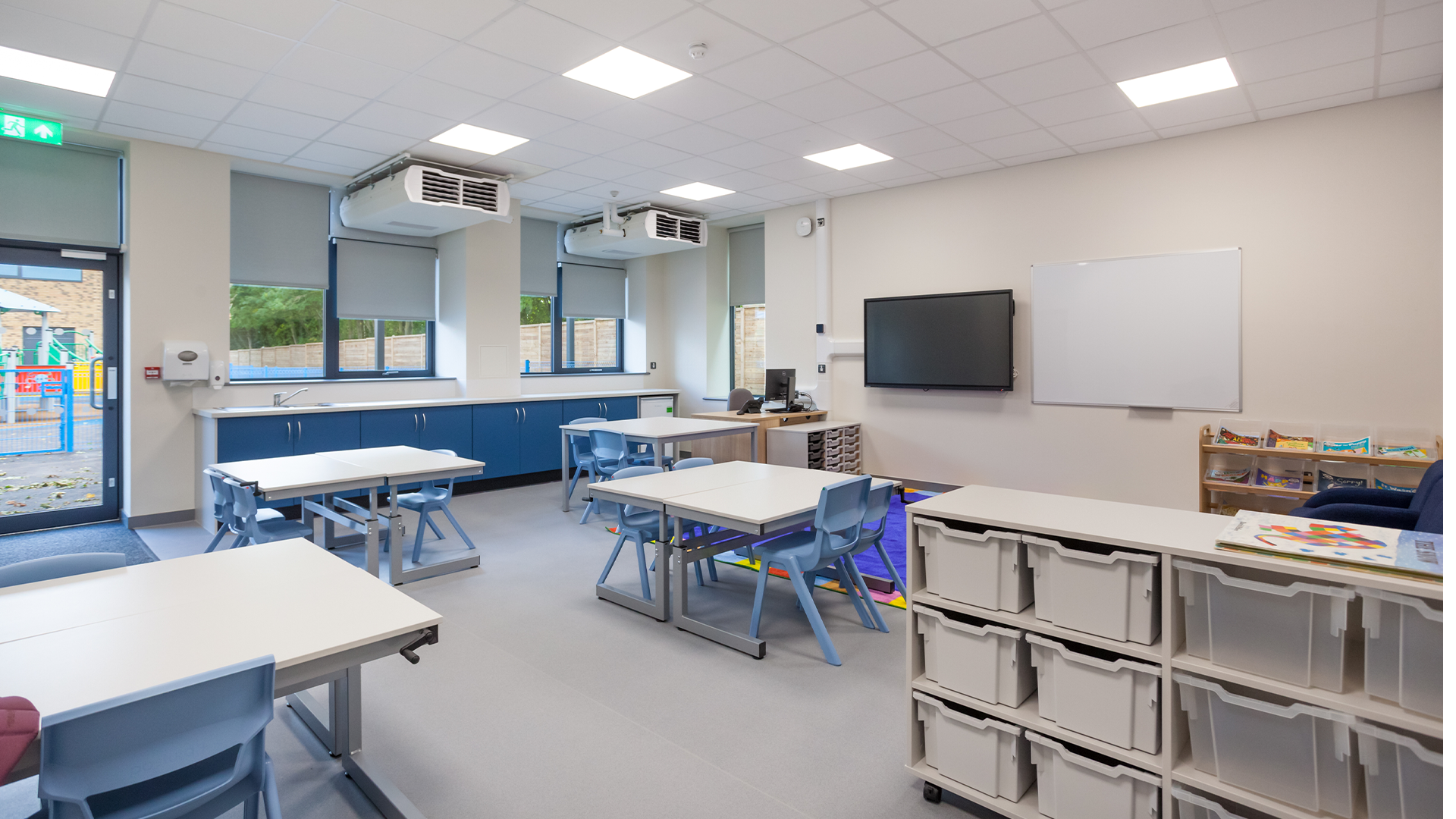
Mediation for Building More Inclusive and Accessible Learning Spaces
Creating learning environments that genuinely work for every pupil is a shared ambition across families, schools, colleges and local authorities. Yet the built environment itself can sometimes become a barrier to participation. When classrooms, circulation routes, facilities or wider learning spaces do not meet a child or young person’s needs, disagreements can arise about what…