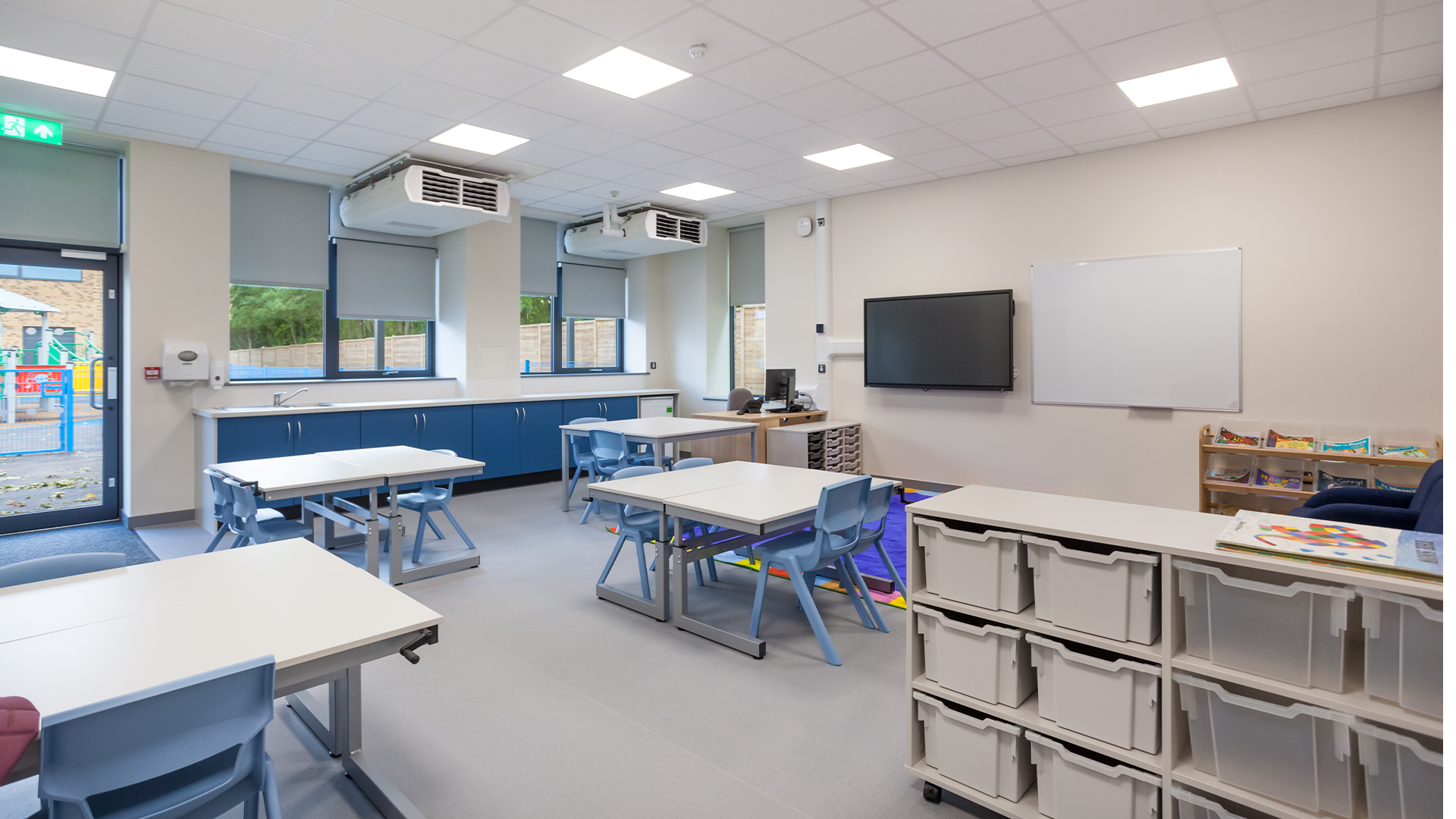
Mediation for Building More Inclusive and Accessible Learning Spaces
Creating learning environments that genuinely work for every pupil is a shared ambition across families, schools, colleges and local authorities. Yet the built environment itself can sometimes become a barrier to participation. When classrooms, circulation routes, facilities or wider learning spaces do not meet a child or young person’s needs, disagreements can arise about what is reasonable, what is possible, and how adjustments should be prioritised.
These disagreements often sit alongside wider concerns about support, communication and expectations. As conversations become more difficult, relationships can become strained and trust can begin to break down.
Mediation can help people move these conversations forward before disagreements become entrenched, creating space to explore practical solutions that support inclusion and participation.
Why SEND disagreements happen
SEND disputes are rarely the result of one person acting in bad faith.
More often, they develop because different people see the same situation from different perspectives.
A parent may be focused on the day‑to‑day impact that a lack of support or inaccessible learning spaces is having on their child.
Teachers may be balancing the needs of an entire class while trying to deliver appropriate adjustments.
Schools and colleges may face limitations around staffing, funding, building constraints or available resources.
Local authorities have statutory responsibilities that must be balanced across many competing demands.
When expectations, responsibilities and communication no longer align, disagreement can quickly follow.
Common areas of disagreement
Many SEND‑related disagreements arise when aspects of the built environment make it difficult for a child or young person to participate fully in school, college or university life. These may include:
- Physical access barriers such as entrances, steps, ramps, doors, circulation routes or changes in level
- Classroom layout and usability, including furniture arrangements, sensory considerations and access to specialist equipment
- Accessibility of key facilities, such as toilets, changing areas, dining spaces, libraries, sports facilities and outdoor areas
- Wayfinding and navigation, including signage, lighting, acoustics and the clarity of routes around a site
- Transport, arrival and movement, including drop‑off points, parking, safe routes and transitions between buildings
- Competing access needs, where adjustments for one learner affect the experience of others
- Practical reasonable adjustments that depend on building constraints, heritage considerations or limited space
- Communication breakdowns about what is feasible, what is reasonable, and how adjustments should be prioritised
While each situation is different, many disputes are rooted in differing interpretations of what the environment currently allows, what changes are possible, and how these changes should be implemented.
What is mediation?
Mediation is a voluntary and confidential process that helps people work through disagreements with the support of an independent mediator.
Unlike a judge or tribunal, a mediator does not decide who is right or wrong.
Instead, they help everyone involved:
- Explain their perspective
- Listen to one another
- Identify the issues that matter most
- Explore possible solutions
- Work towards an agreement together
At Yates Mediation, we practise facilitative mediation. This means the people involved remain in control of both the discussion and any decisions that are made.
Our role is to guide the conversation, not determine the outcome.
A note on scope and specialism
Yates Mediation does not offer the statutory SEND mediation service required for appeals to the SEND Tribunal, and we are not registered on the Civil Mediation Council’s SEND Mediator Register.
Instead, our work focuses on accessibility, inclusion and Equality Act–related issues within education settings, including situations where:
- reasonable adjustments are proving difficult to agree
- accessibility of the built environment affects participation
- competing access needs arise
- communication between families and education providers has become strained
This specialist understanding supports constructive conversations around access and inclusion, while remaining firmly within the boundaries of facilitative mediation.
We do not interpret legislation, make educational decisions, or provide legal advice.
Our role is to help people talk, listen and work towards practical, workable outcomes.
Why mediation can be valuable in SEND‑related disagreements
When disagreements relate to the accessibility or usability of learning spaces, the issues are often both practical and sensitive. Families, education providers and local authorities may all recognise the importance of inclusion, yet hold different views about what the existing environment allows, what changes are feasible, and how adjustments should be prioritised.
Education is built on relationships, and those relationships continue long after a disagreement has arisen. Where people must keep working together, resolving conflict through constructive dialogue can often produce better long‑term outcomes than continuing an adversarial dispute.
Mediation provides an opportunity to move away from fixed positions and focus instead on shared objectives — including creating learning spaces that support safe, comfortable and meaningful participation. By helping people explore the practical realities of buildings, constraints and competing access needs, mediation encourages collaborative problem‑solving rather than entrenched disagreement.
Creating space for better conversations
When disagreements relate to the built environment, emotions can run high.
Parents may feel anxious or frustrated when physical barriers prevent their child from accessing learning spaces safely or comfortably.
Education professionals may feel they are doing everything reasonably possible within the constraints of existing buildings, heritage considerations or limited space.
Without a structured conversation, these emotions — combined with differing interpretations of what is feasible — can make meaningful discussion increasingly difficult.
Mediation creates a safe, impartial environment where everyone has the opportunity to speak, listen and understand each other’s perspective.
By slowing the conversation down and giving each person space to explain the practical realities they face, mediation often shifts the discussion from frustration to problem‑solving.
Very often, this changes the nature of the conversation itself, allowing people to explore how learning spaces might be used, adapted or managed more inclusively.
Practical outcomes, not simply discussion
Successful mediation is not simply about improving communication.
It is about finding practical ways forward that support participation in real, everyday environments.
This may include:
- Identifying adjustments to classrooms, circulation routes or facilities that improve accessibility
- Exploring how learning spaces can be organised or used differently to meet competing access needs
- Agreeing reasonable adjustments that are workable within building constraints
- Improving communication between families and schools about what is feasible and how changes will be implemented
- Clarifying expectations and responsibilities around accessibility and inclusion
- Developing clear plans for future collaboration, including how adjustments will be monitored or reviewed
Because the solutions are developed by the parties themselves — and grounded in the realities of their specific environment — they are often more realistic, sustainable and acceptable to everyone involved.
Specialist understanding matters
Not every mediator has experience of accessibility, inclusive design or disability‑related disputes — and not every mediator understands how the built environment can enable or restrict participation.
At Yates Mediation, our work is informed by professional experience as an NRAC‑accredited Access Auditor, specialising in the accessibility and usability of learning environments. This accreditation reflects rigorous assessment of knowledge across inclusive design, building regulations, Equality Act responsibilities and the practical realities of adjusting existing spaces, including heritage and constrained environments.
Alongside this, our background in education, workplace representation and facilitative mediation helps us appreciate the wider context in which disagreements arise. We understand how physical, sensory and navigational barriers affect day‑to‑day experience, and how competing access needs can make decision‑making complex.
Throughout the mediation process we remain completely impartial. Our role is not to interpret legislation or determine educational decisions, but to support constructive dialogue that helps people explore practical, workable solutions within the realities of their specific environment.
Looking beyond the disagreement
SEND‑related disagreements involving the built environment can be stressful for everyone involved. Physical, sensory or navigational barriers may have affected a child’s experience for some time, and families and education providers may each feel they have been working hard within constraints that are not easily changed.
Yet these disagreements do not have to define the relationship between families, schools and education providers. With the right process, conversations about accessibility can become opportunities to improve communication, rebuild trust and explore how learning spaces might be used or adapted more inclusively.
Mediation cannot remove every challenge, and it cannot alter building constraints overnight. But it can create the conditions for people to work together more effectively — helping them identify practical steps that support participation and laying the foundations for learning environments that are safer, more comfortable and more accessible for everyone.
In many cases, the most positive outcomes emerge when people are able to move forward together, with a shared commitment to building more inclusive and accessible learning spaces.